How to Find Average HOA Fees in Houston Metro (2026 Buyer's Guide)
What Houston-area HOA fees typically include, how MUD taxes layer on top, what to verify before buying, and how to find current dues for any community.
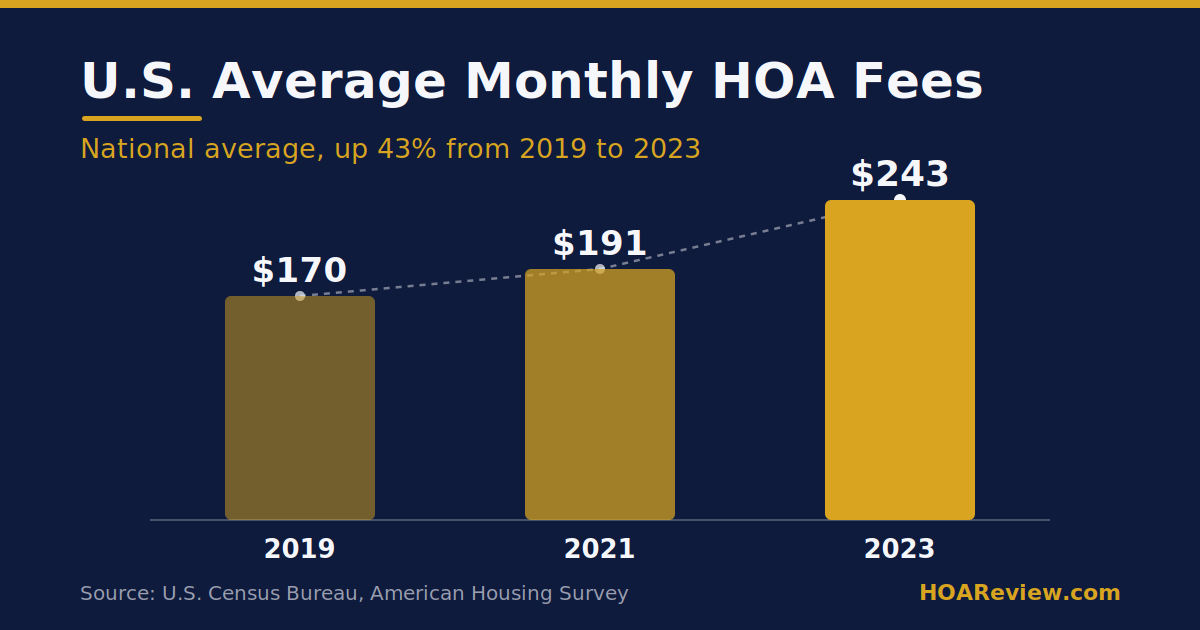
The total monthly cost of owning a home in a Houston-area master-planned community is rarely just the mortgage. Add HOA dues, MUD taxes layered on top, periodic special assessments, transfer fees on resale, and capitalization fees due at closing, and the actual carrying cost can run 30 to 40 percent above the principal and interest most buyers focus on.
This guide explains what Houston-area HOA fees typically include, how to find current dues for any specific community, and what additional costs to budget for at closing and ongoing.
We do not publish specific dues figures for individual communities. Those figures change annually based on board decisions and are best obtained directly from the source. Instead, this guide shows you how to find verified current information and what to expect at different price levels.
How Houston HOA Fees Work
Houston-area HOA dues vary widely based on community age, amenity level, sub-association structure, and management approach. Older neighborhoods in established areas often have basic dues under $50 per month with minimal amenities. Newer master-planned communities developed by national builders (Howard Hughes, Newland, Johnson Development) frequently have dues in the $150 to $300 monthly range with extensive amenity packages.
The single best predictor of dues level is the amenity package. A community with multiple pools, a fitness center, event spaces, security staffing, and extensive landscaping budgets requires correspondingly higher dues. A community with a single shared pool and minimal common-area landscaping operates at much lower cost.
What HOA Fees Typically Cover
What HOA dues fund (per Texas Property Code Chapter 209 and standard master deed structures):
- Common area landscaping and maintenance
- Amenity operations (pools, clubhouses, fitness facilities)
- Security or gate staffing (where applicable)
- Insurance on common area structures
- Capital reserves for major repairs
- Management company fees
- Legal and accounting services
- Architectural review administration
- Community events and communications
What HOA dues do not cover (separate costs to budget):
- Municipal water, sewer, and trash (paid to city)
- MUD taxes (separate property tax line)
- Homeowner insurance
- Property taxes
- Sub-association dues (if your community has them)
MUD Taxes: The Hidden Houston Cost
Most newer Houston master-planned communities sit within Municipal Utility Districts. The MUD finances water and sewer infrastructure through bonds and recovers the cost via property taxes that appear as a separate line item on your county tax bill.
MUD tax rates are public information. Look them up directly:
- Harris County: Harris County Appraisal District
- Fort Bend County: Fort Bend Central Appraisal District
- Montgomery County: Montgomery Central Appraisal District
- Brazoria County: Brazoria County Appraisal District
- Waller County: Waller County Appraisal District
Enter the property address. The detailed tax breakdown will show all applicable taxing entities including any MUDs. MUD rates in Houston-area communities typically range from $0.20 to $0.90 per $100 of assessed value, but the only authoritative source is the county appraisal district for the specific address.
On a $500,000 home with a $0.55 MUD rate, that adds approximately $2,750 per year or $229 per month. Combined with HOA dues, the community-related carrying cost can easily exceed $400 per month before mortgage and property taxes.
How to Find Current Dues for Any Houston Community
Five sources, in order of reliability:
1. The Resale Certificate (Most Reliable)
Texas Property Code Chapter 207 requires HOAs to provide a resale certificate within 10 business days of buyer request. This document discloses current dues, special assessments, reserves, and pending litigation. It is the legally authoritative source.
The fee for producing it is typically $250 to $400 and is paid at closing. Request it early in your due diligence period, not the day before closing.
Reference: Texas Property Code Chapter 207
2. Direct Contact With Management Company
Email or call the management company listed on the community's official website. Ask:
- What are the current monthly dues for [specific address]?
- Are any special assessments pending or recently approved?
- Is there an unpaid balance on this property?
Get the response in writing. This provides documentation if the answer turns out to differ from reality.
3. The HOA's Official Website
Many established Houston master-planned communities maintain websites that publish current dues schedules. Check for documents labeled "Assessment Schedule," "Fee Schedule," or "Annual Budget."
Be careful of dated information. Confirm any figure on a community website was updated in the current year before relying on it.
4. County Property Records
Counties with online records (Harris, Fort Bend, Montgomery, Brazoria) sometimes include HOA assessment data in property record searches. This data is typically updated less frequently than the management company's records.
5. Reviews on HOAReview
The HOAReview platform aggregates resident-submitted information about communities. Review submissions sometimes include current dues figures, which provide an additional data point. However, resident submissions vary in recency and accuracy. Always verify any specific figure with the management company before relying on it for a purchase decision.
What to Expect at Different Dues Levels
These are general expectations based on industry observation, not guarantees for any specific community.
$60 to $100 per month (lower end)
Typical for older established communities or smaller subdivisions. Basic landscaping of common areas. Limited amenities (small pool, walking trail). Minimal HOA staff. Often community-managed rather than professionally managed. May have less robust reserves.
$100 to $180 per month (mid-range)
Common in mid-tier master-planned communities and newer subdivisions. Active amenity center with pool, clubhouse, possibly gym. Some social programming. Professional management. Generally adequate reserves.
$180 to $300 per month (upper range)
Common in newer Howard Hughes, Newland, and Johnson Development master-planned communities. Full amenity center with multiple pools, fitness facilities, event spaces. Active social calendar. Gate or guard staffing in some. Extensive landscaping budget. Generally well-funded reserves.
Above $300 per month (premium)
Premium amenities, possibly including resort-style pools, marina or boat ramp access, equestrian facilities, or unusually extensive private services. Verify specifically what your dues fund.
If you tour a community paying $250 per month and you cannot identify what those dues fund, that is a warning sign worth investigating. See our companion article on 10 HOA Red Flags Every Houston Homebuyer Should Watch For.
Additional Costs at Closing
Beyond monthly dues, expect these one-time charges that frequently surprise buyers:
Resale Certificate Fee
Required disclosure under Texas Property Code Chapter 207. Typically $250 to $400. Paid at closing. Buyer's responsibility unless otherwise negotiated.
Transfer Fee
A one-time charge for processing the ownership transfer in HOA records. Common range: $100 to $1,000. Some communities charge a percentage of sale price; verify before assuming a flat fee.
Capitalization Fee (Working Capital Contribution)
A one-time charge to new owners that goes into the HOA's reserve fund. Newer Houston master-planned communities commonly charge these. Confirm the amount in writing with the management company before closing.
Estoppel Certificate Fee
Sometimes separate from the resale certificate. Confirms whether the current owner is current on dues. Often included in the resale certificate fee but may be billed separately.
For a $500,000 home purchase in a newer master-planned community, these closing-time fees can add $1,500 to $5,000 to your total closing costs. Always confirm the exact amounts with the management company in writing before scheduling closing.
Dues Increase Patterns
HOA dues do not generally decrease. The Community Associations Institute, the industry's primary professional organization, publishes data on dues increases. Most established master-planned communities raise dues annually, with the rate depending on board decisions, management company recommendations, and external cost pressures.
Reference: Community Associations Institute
Factors that may correlate with above-average dues increases at a specific community:
- Reserve fund below 30 percent funded (per the most recent reserve study)
- Aging amenities approaching their replacement cycle
- Recent management company change
- Recent or pending litigation requiring legal fee funding
- Insurance market hardening (HOAs in flood-affected areas have faced significant insurance increases since 2020)
Factors that may correlate with stable or below-average increases:
- Reserve fund above 70 percent funded
- Recently completed major capital project (capital cycle just finished)
- Stable management company with multi-year tenure
- No pending litigation
- Strong financial reporting and engaged board
The single best predictor of future dues increases is the most recent reserve study. Request it as part of due diligence. Read the recommended annual contribution rate and confirm the HOA is actually funding at that level.
How to Use This Information
Before submitting an offer on a Houston-area home in an HOA community:
- Identify the management company from the community's website or your real estate agent
- Request current dues figures in writing from the management company
- Look up the MUD tax rate at the county appraisal district for the specific address
- Request the Texas Property Code Chapter 207 resale certificate
- Calculate total monthly carrying cost (mortgage + property tax + HOA dues + MUD tax + insurance)
- Compare against your maximum housing budget
A home with a $2,500 mortgage payment, $700 property tax monthly, $250 HOA dues, and $230 MUD tax has a total monthly carrying cost approaching $3,700 before insurance. The HOA and MUD components alone add nearly $500 per month that some buyers miss when budgeting.
What HOAReview Can Help With
The HOAReview platform indexes over 90,000 HOA communities and accepts homeowner reviews. For Houston-area communities specifically:
- Search by city, ZIP code, or community name
- Read reviews from current and former residents
- Submit your own review to help future buyers
- Request that we add a community we don't currently have
We do not publish unverified dues figures or unverified management company assignments. When residents submit reviews that include current dues, those figures appear on the community profile with the submission date so future readers can judge recency.
If your Houston-area community is not in our directory or has outdated information, submit a request and we'll add or update it.
For a deeper look at warning signs that distinguish a healthy HOA from a problematic one, see our companion guide on 10 HOA Red Flags Every Houston Homebuyer Should Watch For.
Find your Houston community on HOAReview to read resident reviews. If you live in an HOA, leave a review with current information to help future homebuyers make informed decisions.